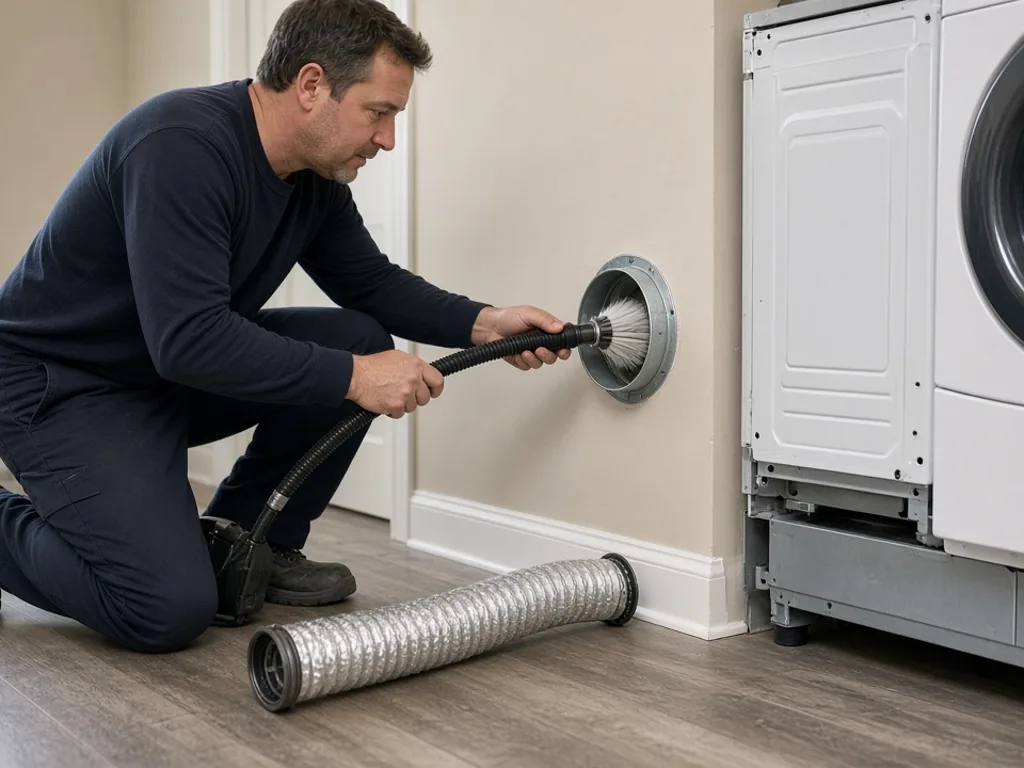
Rusty or Stained Vent Covers: Clean or Replace?
Rust or stains on your air vent covers? What usually causes them, how to clean registers, when to replace them and when to call an HVAC contractor.
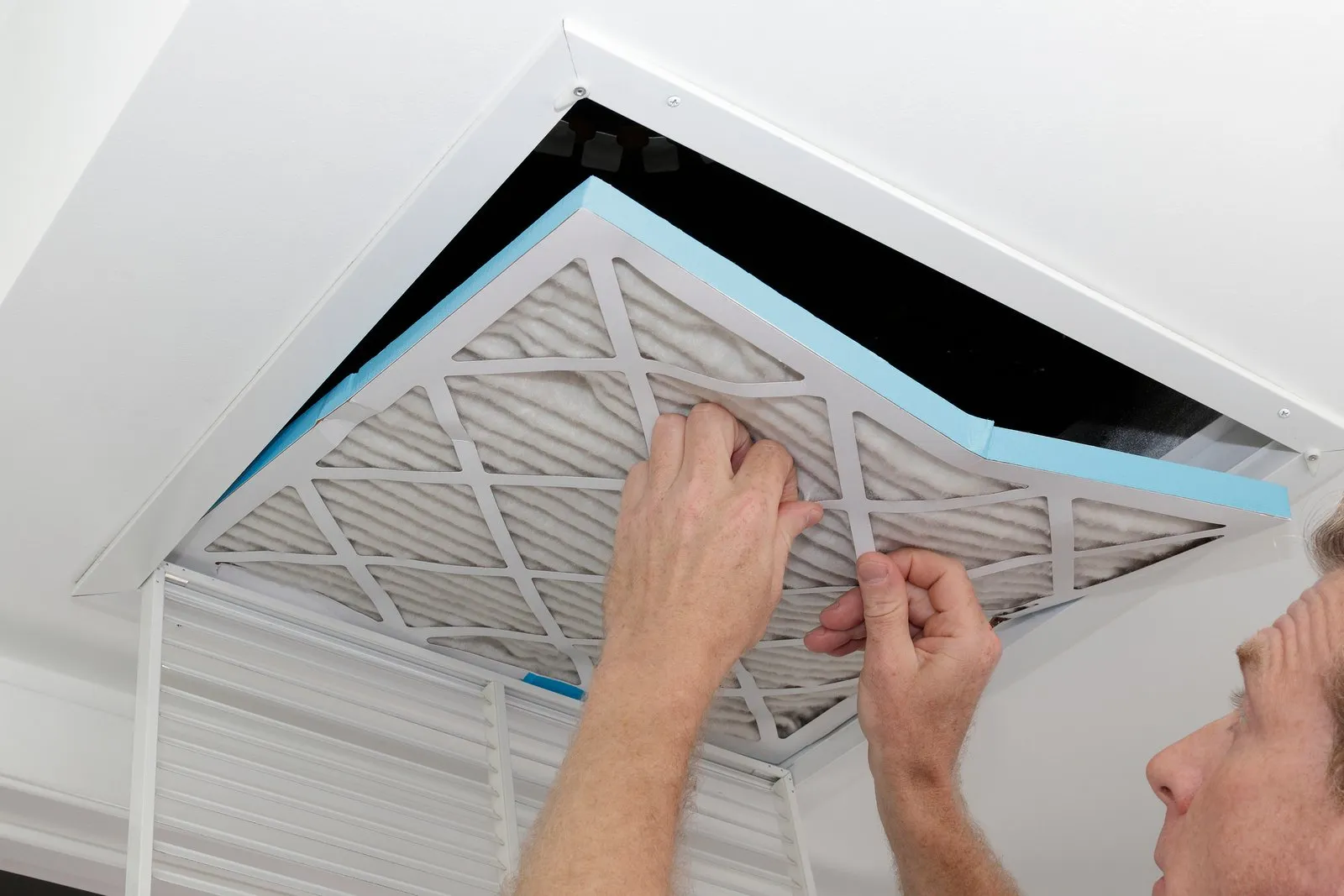
Vent covers don't get much attention until they start looking bad. Rust spots on a ceiling register, a dingy return grille or a discolored floor vent can make a clean room look neglected. In humid climates, metal registers seem especially prone to it.
If you've noticed rusty or stained vent covers in your Orange Park home, here's how to figure out what's going on and whether to clean them, replace them or call someone.
Figure out what you're looking at
Not every mark means the same thing. Take one cover down and look closely.
- Gray or fuzzy buildup on the louvers is usually household dust and lint. It's common on return grilles, which pull air in.
- Orange or brown spots on metal covers are usually rust. Paint wears off, moisture reaches the metal and it starts to corrode.
- Water spots or stains on the ceiling around a register suggest moisture is collecting there.
- Peeling paint on the cover itself may just be age.
Why registers rust
Metal rusts when it stays damp. In a humid area, a supply register delivering cool air can be colder than the surrounding air in the room or attic. When warm, humid air meets a cold surface, moisture can condense on it, just like a cold drink on a summer day.
Occasional light rust on an older register may just be wear. But if you see water dripping from a register, ongoing condensation, rust that keeps coming back quickly or water stains on the ceiling, that's a sign of a moisture issue in the system. The EPA notes that experts agree moisture should not be present in ducts.
Causes can include ducts that aren't well insulated, air leaks near the register or how the system is running. Those are questions for an HVAC contractor. If you see what looks like mold around a register, have a qualified professional assess it.
How to clean vent covers
For covers that are just dusty or dingy:
- Turn off the system so dust doesn't blow around.
- Remove the cover. Most are held by a couple of screws. Floor registers usually lift out.
- Vacuum loose dust with a brush attachment.
- Wash with warm, soapy water. A soft brush helps between the louvers. Avoid harsh scrubbing on painted covers.
- Dry completely before reinstalling, especially metal covers.
- Wipe the opening and look inside with a flashlight while the cover is off.
Light surface rust can sometimes be sanded and repainted with a paint suited for metal. Let the paint cure fully before putting the cover back.
Skip the dishwasher unless the manufacturer says the cover is dishwasher safe, and avoid soaking metal covers for long periods. For return grilles with a filter slot, take the filter out first and put a fresh one back when you reinstall the grille. Ceiling covers can be awkward to reach, so use a stable step ladder and have someone hand the cover up to you rather than stretching overhead with it.
When to replace a cover
Replacing a register cover is usually simple and inexpensive. Consider it when:
- Rust has eaten through the paint across much of the surface
- The louvers or damper are bent, stuck or broken
- The cover no longer sits flat or leaves gaps
- You've cleaned and painted it before and it's back to looking bad
Measure the duct opening, not the faceplate. Register covers are generally sized by the opening they fit, so take the cover off and measure the hole. Consider covers made for humid areas, like aluminum or composite, if your current ones rust easily.
When it's time for a duct cleaning
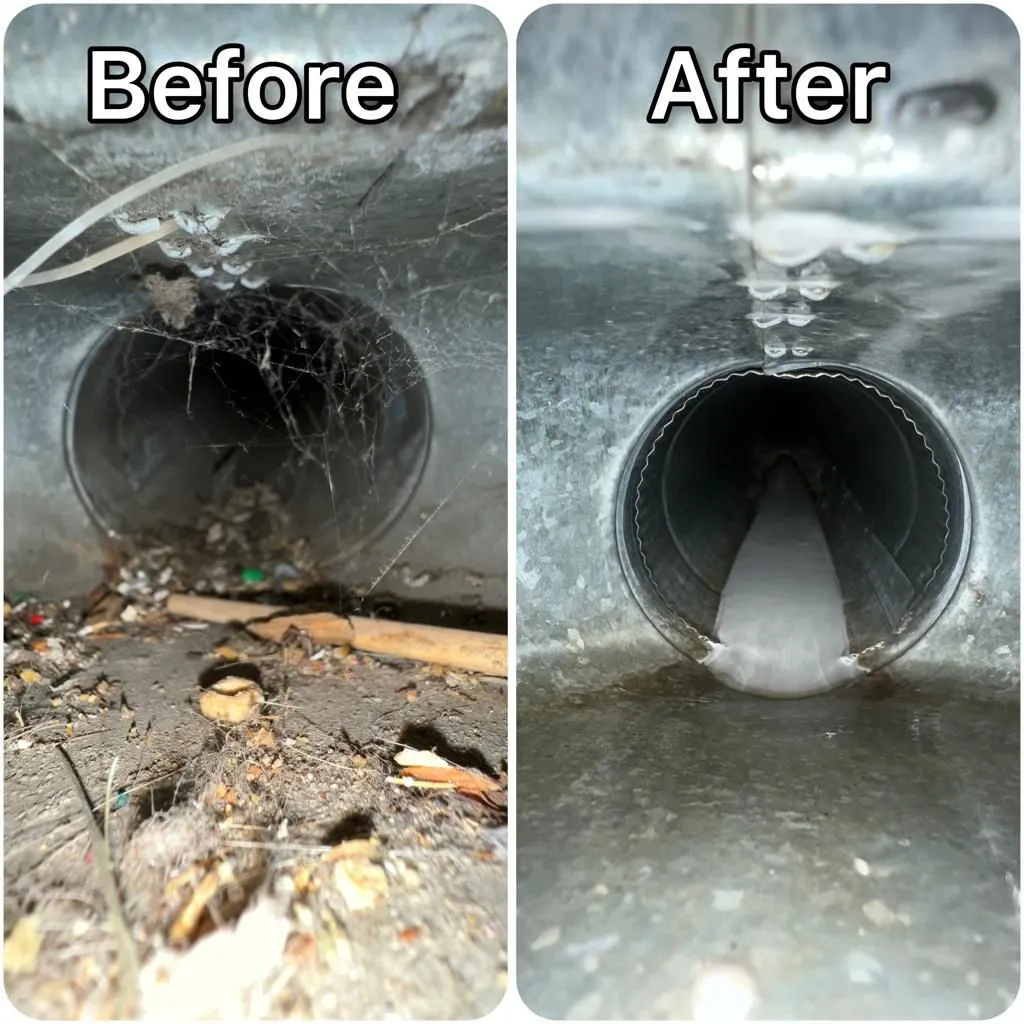
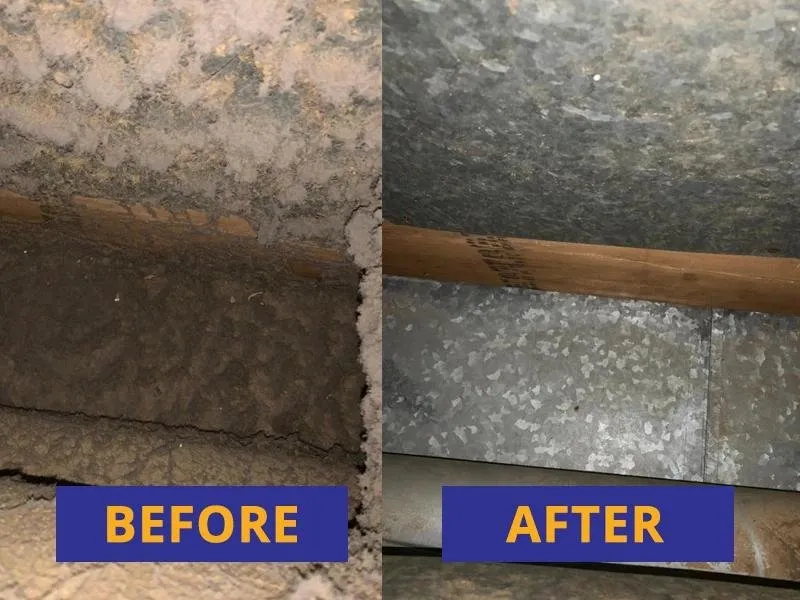
While you have the covers off, take a look inside. If you see heavy dust or debris, or the covers get dirty again quickly, the ducts behind them may need attention. The EPA lists particles released from supply registers and excessive dust and debris among the situations where duct cleaning should be considered.
Our air duct cleaning covers the supply and return ducts and the registers and grilles. It's $199 to start, covering up to 10 vents, plus $29 per additional vent. If a few runs need extra attention, deep duct cleaning is $59.99 per vent. If we notice covers or areas that look like they have a moisture problem, we'll mention it. See our pricing page for every service in one place.
Our service areas page lists the towns we cover around Orange Park.
To have your ducts and registers cleaned, request a free estimate from Fresh Air Duct Cleaning Orange Park.
Sources
- Should You Have the Air Ducts in Your Home Cleaned?, U.S. EPA, last updated February 19, 2026